

If your dentist has recommended a root filling, you may be wondering: does a root filling hurt? It’s one of the most common concerns patients have before undergoing root canal treatment. The truth is, modern dentistry has made root fillings far more comfortable than many people expect.
In this guide, we’ll explain what a root filling involves, whether it hurts during or after the procedure, and what you can expect during recovery.
What Is a Root Filling?
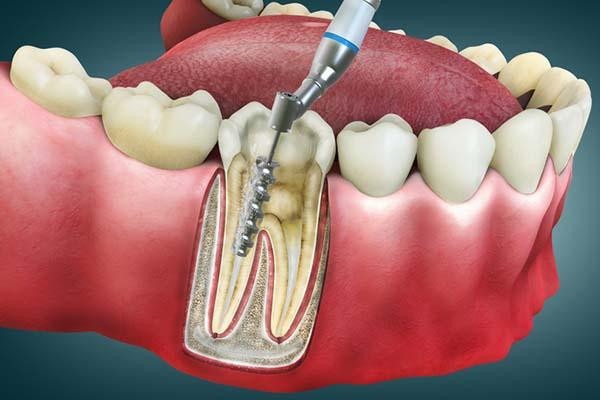
A root filling, commonly referred to as a root canal treatment, is a dental procedure used to treat infection inside a tooth. Deep decay, cracks, trauma, or repeated dental procedures can damage the soft tissue (pulp) inside the tooth. When bacteria reach the pulp, it can cause severe pain, swelling, or even an abscess.
During a root filling procedure:
- The infected pulp is removed.
- The root canals are cleaned and disinfected.
- The space is filled and sealed to prevent reinfection.
- In many cases, a crown is placed to protect the tooth.
The primary purpose of a root filling is to relieve pain not cause it.
Does a Root Filling Hurt During the Procedure?
The short answer is: No, a root filling should not hurt during the procedure.
Local Anaesthesia Prevents Pain
Before starting treatment, your dentist will administer local anaesthetic to numb the area completely. This ensures that you do not feel pain during the procedure. You may feel:
- Mild pressure
- Slight vibration from dental instruments
- Movement inside the tooth
However, sharp pain is not normal during treatment. If you feel discomfort, your dentist can provide additional anaesthesia.
Modern Dentistry Has Improved Comfort
Many people associate root canals with pain because of outdated techniques. Today, advanced tools, digital imaging, and improved anaesthesia make root canal treatment similar in comfort to getting a standard dental filling.
In fact, most patients say the pain they felt before the procedure (due to infection) was worse than the treatment itself.
Is a Root Filling Painful After the Procedure?
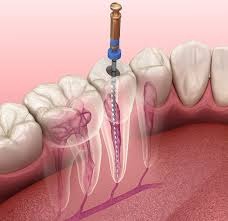
While the procedure itself is painless, some mild discomfort after a root filling is normal.
What Is Normal After a Root Filling?
After the anaesthetic wears off, you may experience:
- Tenderness around the treated tooth
- Sensitivity when biting
- Mild soreness in the surrounding gums
- Slight jaw discomfort from keeping your mouth open
This discomfort usually lasts a few days and gradually improves.
Why Does Post-Treatment Discomfort Happen?
Even though the infected pulp has been removed, the surrounding tissues may still be inflamed. The cleaning process can temporarily irritate these tissues, causing mild soreness during healing.
How Long Does Pain Last After a Root Filling?
For most patients:
- Mild discomfort lasts 2–5 days
- Improvement is noticeable each day
- Full healing may take 1–2 weeks
If pain persists beyond a week or becomes worse instead of better, you should contact your dentist.
How to Manage Pain After a Root Filling
Managing discomfort after root canal treatment is usually simple.
1. Take Over-the-Counter Pain Relief
Ibuprofen or paracetamol (as advised by your dentist) is typically enough to control soreness.
2. Avoid Chewing on the Treated Tooth
Until the tooth is permanently restored (often with a crown), avoid chewing hard foods on that side.
3. Maintain Good Oral Hygiene
Brush and floss gently around the treated area to prevent further irritation or infection.
4. Follow Your Dentist’s Instructions
Your dentist may provide specific aftercare guidelines depending on your case.
When Is Pain After a Root Filling a Concern?
Although rare, complications can occur. Contact your dentist if you experience:
- Severe pain lasting more than 5–7 days
- Swelling in the face or gums
- Increasing pain instead of improvement
- Fever
- Pus or discharge
- Difficulty biting
These symptoms may indicate:
- Persistent infection
- A cracked tooth
- Incomplete cleaning of canals
- Bite misalignment
Prompt treatment can usually resolve these issues quickly.
Why Do Root Fillings Have a Bad Reputation?
Root canal treatment has long been associated with pain, but this reputation is outdated.
The truth is:
- The infection causes pain.
- The root filling relieves it.
Modern dentistry focuses on patient comfort. With proper anaesthesia and skilled care, most patients are surprised at how manageable the procedure is.
Is It Better to Remove the Tooth Instead?
Some patients consider extraction instead of a root filling to avoid discomfort. However, saving your natural tooth is usually the best long-term option.
Advantages of keeping your natural tooth:
- Maintains proper chewing function
- Prevents shifting of surrounding teeth
- Avoids more complex treatments like implants or bridges
- Preserves natural appearance
A root filling allows you to keep your tooth while eliminating infection.
Does a Root Filling Hurt More Than a Normal Filling?
No. Most patients report that a root filling feels similar to, or only slightly longer than, a regular filling appointment.
The key difference is that root canal treatment addresses deeper infection, but thanks to numbing, you shouldn’t feel pain during the process.
Final Answer: Does a Root Filling Hurt?
In most cases, a root filling does not hurt during the procedure because the area is fully numbed with local anaesthetic.
You may experience mild discomfort afterward, but this is temporary and manageable with standard pain relief.
If severe or prolonged pain occurs, contact your dentist promptly to ensure proper healing.