
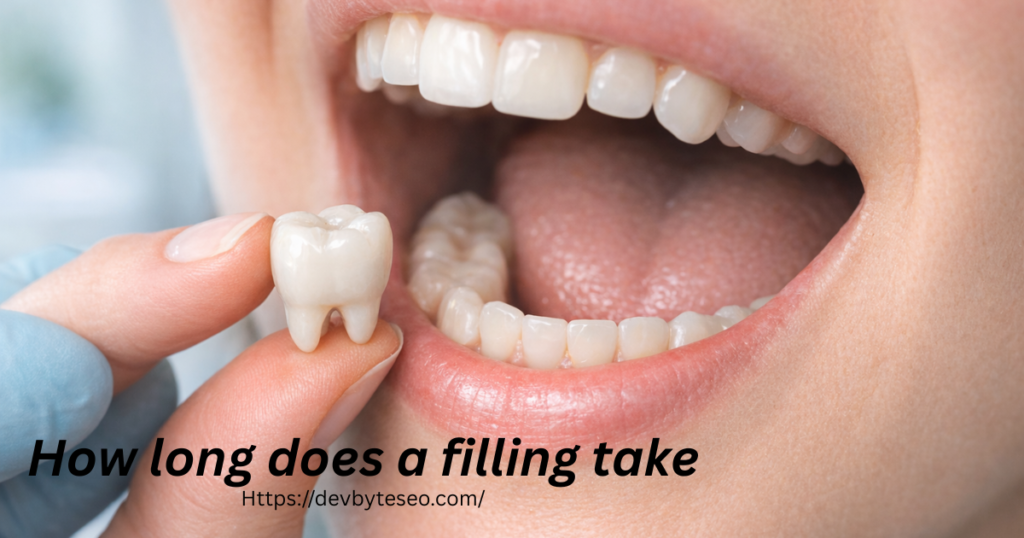
Introduction to Dental Fillings
When you hear the words “dental fillings,” what comes to mind? Perhaps images of dental chairs and a drill? Or maybe just the thought of alleviating that nagging toothache? Dental fillings are more common than you might think and they play a crucial role in maintaining your oral health. But how long does a filling really take? This is often one of the first questions patients ask when preparing for their appointment. Understanding this procedure can help ease any anxiety and provide clarity on what to expect during your visit. Let’s dive into the details behind dental fillings timing included.
Factors that Affect the Duration of a Filling Procedure
The duration of a dental filling procedure can vary widely. Several factors come into play.
First, the complexity of the cavity matters. A small, straightforward cavity will take less time to treat compared to a larger one that requires extensive work.
Second, the type of material used for the filling influences timing. Amalgam fillings typically set faster than composite or ceramic options, which may require more care during placement.
Additionally, your dentist’s experience plays a crucial role. An experienced professional might navigate challenges quickly and efficiently, while someone newer might need extra time.
Patient comfort also affects how long it takes. If you feel anxious or have difficulty sitting still, this can extend the process as well.
Lastly, any underlying oral health issues could complicate treatment and lead to longer appointment times. Each factor intertwines to shape your overall experience in the dental chair.
Black Spot on Tooth: 4 Shocking Causes & Fast, Effective Treatment Solutions
How long does a filling take
Types of Fillings (amalgam, composite, ceramic)
The type of filling you choose can significantly impact how long the procedure takes. Amalgam fillings, known for their durability, typically require about 20 to 30 minutes per tooth. Their straightforward application makes them a popular choice among dentists.
Composite fillings are a bit more intricate. They involve layering materials and curing each layer with light, which may extend the appointment to around 30 to 60 minutes. This time allows for precision in matching your natural tooth color.
Ceramic fillings often take even longer due to their fabrication process. These custom-made restorations might demand an hour or more, particularly if they need to be crafted off-site before being placed in your mouth.
Understanding these differences helps set realistic expectations when visiting your dentist for restorative work.
Step-by-Step Process of a Filling Procedure
The filling procedure begins with a thorough examination of the affected tooth. The dentist will assess the extent of decay and discuss options with you.
Next, local anesthesia is applied to numb the area. This ensures that you remain comfortable throughout the process. Once you’re adequately numbed, the dentist uses a drill or laser to remove decayed material from the tooth.
After cleaning out all decay, your dentist prepares the site for filling. They may etch or condition it depending on the type of filling selected.
Once ready, they carefully place the chosen filling material into your tooth. It’s shaped and polished to ensure a perfect fit and natural appearance.
Finally, after checking your bite for adjustments, you’ll be given post-procedure care instructions before leaving.
Tips for a Faster and More Comfortable Recovery
After your dental filling, taking care of yourself can make all the difference. First, follow your dentist’s post-procedure instructions closely. They know best how to help you heal.
Stick to soft foods for the first few days. Items like yogurt, mashed potatoes, and smoothies are gentle on your teeth while you recover.
Avoid hot or cold drinks immediately after treatment; they might cause sensitivity. Room temperature beverages are a safe bet during this time.
Pain relief is often necessary—over-the-counter medications can ease discomfort effectively. Don’t hesitate to ask your dentist for recommendations if you’re unsure.
Lastly, keep up with good oral hygiene practices but be gentle around the filled area until it’s fully healed. This approach not only promotes recovery but ensures that your new filling lasts longer too!
Common Concerns and Misconceptions about Filling Duration
How long does a filling take
Many people worry that getting a dental filling will take an entire day. In reality, most procedures are completed in under an hour.
Another common misconception is that fillings hurt significantly. While discomfort can occur, local anesthesia ensures the procedure is as painless as possible.
Some believe that all fillings last forever; however, longevity varies based on material and care. Regular check-ups help monitor their condition.
Patients may also fear complications or setbacks post-procedure. The truth is, with proper aftercare, recovery typically goes smoothly without major issues.
Lastly, there’s confusion about how many appointments might be necessary for multiple cavities. Often, several fillings can be done in one visit if time allows and depending on your dentist’s assessment of your oral health needs.
FAQS
How long does a filling take on average?
Most dental fillings take 20 to 60 minutes per tooth. Small cavities are quicker, while larger or deeper cavities may take longer.
Can multiple fillings be done in one appointment?
Yes. Dentists often complete 2–3 fillings in one visit, depending on your comfort level and the complexity of treatment.
Conclusion:
Maintaining proper dental care and scheduling regular check-ups is essential for everyone. It helps in early detection of cavities and other oral health issues, reducing the need for extensive treatments like fillings. When you prioritize your dental hygiene, you not only avoid discomfort but also save time and money in the long run.
Regular visits to your dentist allow for personalized advice on maintaining optimal oral health. They can provide insights into how often to brush, floss, and use mouthwash effectively. This proactive approach minimizes complications that could require more invasive procedures down the line.
Understanding how long a filling takes can ease any anxiety associated with dental work. With knowledge comes peace of mind, helping patients feel empowered during their appointments. After all, a healthy smile contributes significantly to overall well-being.
So remember to care for your teeth daily and keep those dentist appointments on schedule! Your mouth will thank you now and in the years ahead.