Introduction
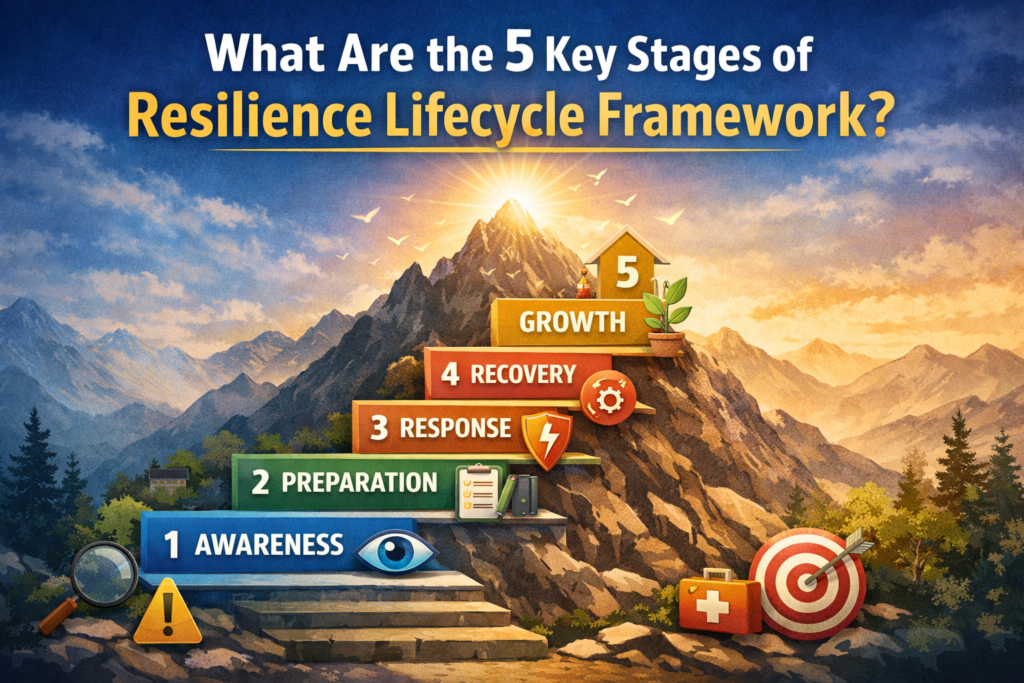
Resilience is more than just bouncing back from adversity; it’s a dynamic process that helps individuals and organizations navigate challenges effectively. Understanding the framework behind resilience can empower us to face life’s ups and downs with confidence. So, what are the 5 key stages of resilience lifecycle framework? By breaking down this concept into manageable parts, we can better prepare ourselves for unexpected hurdles. Let’s dive into each stage and discover how they contribute to building a resilient mindset!
Stage 1: Awareness
Awareness is the critical first step in the resilience lifecycle framework. It’s about recognizing potential threats and understanding vulnerabilities. This stage lays the groundwork for what comes next.
During this phase, individuals and organizations take stock of their surroundings. They identify risks that could impact them, whether natural disasters, economic shifts, or personal challenges. Awareness involves observing trends and patterns that could pose a challenge down the road.
Education plays a vital role here. Knowledge helps build an informed perspective on what might go wrong and how to prepare for it effectively.
It’s not just about acknowledgment; it’s also about fostering a mindset that embraces change as inevitable. By cultivating awareness, we empower ourselves to navigate uncertainties more confidently as we move forward through life’s unpredictable journey.
Stage 2: Preparation
Preparation is a crucial stage in the resilience lifecycle framework. It’s about laying the groundwork for what’s to come. During this phase, individuals and organizations assess their vulnerabilities.
Understanding potential risks allows for proactive planning. This means identifying resources, creating strategies, and assembling support networks. Training sessions can also be conducted at this stage to equip everyone with necessary skills.
Having a flexible response plan is vital too. It helps ensure that when challenges arise, responses are not just reactive but well-thought-out. Simulations or drills can reinforce these plans, fostering confidence among all involved.
Incorporating feedback loops during preparation enhances adaptability. Constantly updating plans based on new information keeps them relevant and effective against unforeseen events. Everyone becomes an active participant in building resilience through collective input and collaboration.
Stage 3: Response
When the unexpected occurs, the response stage kicks in. This is where quick thinking and decisive action are paramount. It’s not just about reacting; it’s about responding effectively to minimize impact.
During this phase, communication becomes crucial. Sharing information clearly can help guide individuals and teams through chaos. Everyone needs to understand their roles and responsibilities.
Resources must be mobilized efficiently too. Whether it’s personnel or supplies, ensuring that everything aligns with your plan is key to a successful response.
Flexibility plays a significant role here as well. Conditions may change rapidly, demanding adjustments on the fly. Adapting strategies while remaining focused on objectives can make all the difference during turbulent times.
How you respond shapes what comes next in the resilience lifecycle framework. Your actions now set the stage for recovery and growth down the line.
Acamento From Ordinary to Extraordinary
Stage 4: Recovery
Recovery is a pivotal phase in the resilience lifecycle framework. It’s where individuals and organizations begin to rebuild after facing adversity.
During this stage, focus shifts from immediate response to restoring normalcy. Individuals reflect on their experiences and start implementing lessons learned. This is essential for long-term growth.
For businesses, recovery can involve assessing damage, both financially and emotionally. Teams come together to strategize, ensuring that operations resume smoothly while addressing any lingering impacts.
Support systems play a crucial role here. Encouragement from peers or mentors helps restore confidence. Resources like mental health services can aid personal healing too.
The duration of recovery varies widely among different people or entities. What matters most is the commitment to progress—no matter how small those steps may seem at first.
Stage 5: Growth (or Adaptation)
Stage 5 focuses on growth, often referred to as adaptation. This stage is where resilience truly flourishes. It’s not just about bouncing back; it’s about moving forward with newfound strength.
Individuals and organizations begin to embrace the lessons learned from previous challenges. They transform past experiences into valuable insights that shape future decisions.
During this phase, flexibility becomes paramount. Adapting strategies to meet evolving circumstances can lead to innovative solutions. It’s a proactive approach rather than a reactive one.
Moreover, fostering a culture of resilience encourages ongoing development. Encouraging continuous learning ensures that everyone is prepared for what lies ahead.
The essence of this stage lies in leveraging adversity as a catalyst for progress. By embracing change and uncertainty, both individuals and groups become better equipped for whatever comes their way next time.
FAQs
What is the Resilience Lifecycle Framework?
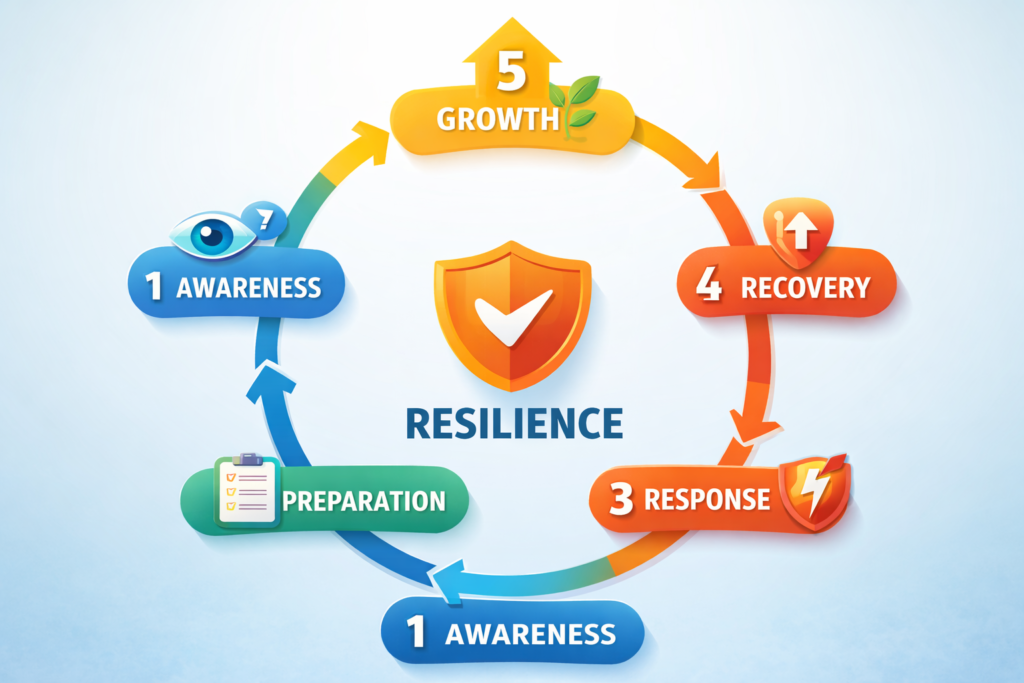
It’s a structured approach outlining five stages—Awareness, Preparation, Response, Recovery, Growth—to build personal or organizational resilience.
Why is resilience important in the workplace?
Resilience helps individuals and teams adapt to change, overcome challenges, and maintain productivity during crises.
How can I improve my awareness stage?
Use self-reflection, monitoring stressors, and analyzing past challenges to recognize vulnerabilities early.
What strategies enhance recovery after a setback?
Reflection, seeking support, skill development, and adapting processes help accelerate recovery.
Can the Resilience Lifecycle Framework be applied personally and professionally?
Yes! The framework is flexible and can guide both personal growth and organizational development.
How does growth differ from recovery?
Recovery restores stability, while growth leverages experiences to improve future resilience and adaptability.
Conclusion
Resilience is an essential trait in navigating life’s challenges. Understanding the five key stages of the resilience lifecycle framework can empower individuals and organizations to respond more effectively to adversity.
Starting with awareness, recognizing vulnerabilities lays the groundwork for what comes next. Preparation involves building strategies that enhance your ability to cope. The response stage focuses on taking immediate action during a crisis, while recovery emphasizes returning to normalcy and healing from setbacks.
Growth signifies transformation through experiences faced along the way. This journey fosters not just survival but also adaptability and strength for future challenges.
By embracing these stages, anyone can cultivate resilience that not only withstands pressures but thrives amid them.