
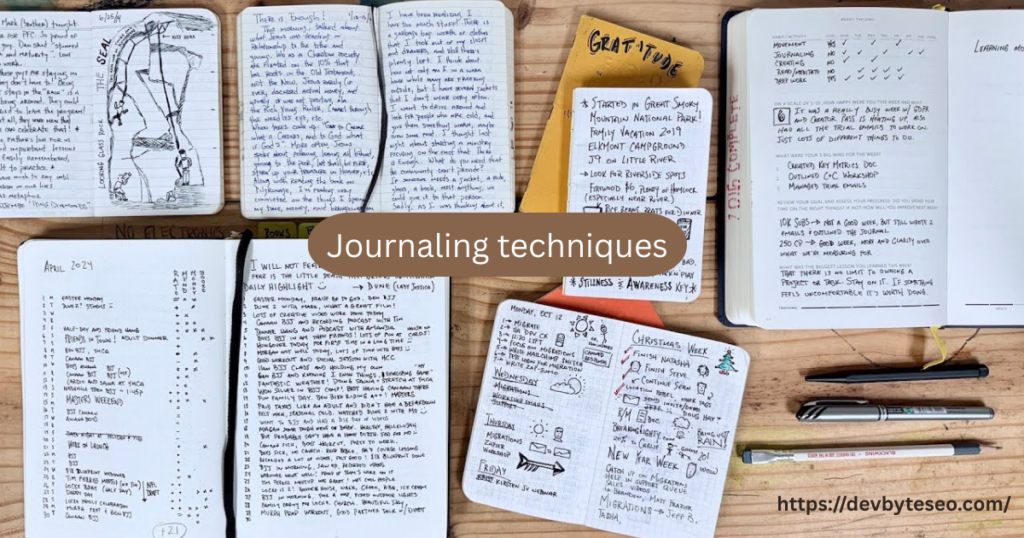
Introduction to the Power of Journaling
Journaling is more than just putting pen to paper; it’s a powerful tool for self-discovery and personal growth. Each page offers a canvas where thoughts can flow freely, allowing you to explore emotions, set goals, and reflect on life’s journey. Whether you’re seeking clarity in confusion or simply want a moment of peace amidst the chaos of daily life, journaling can be your sanctuary.
Imagine having an outlet that not only captures fleeting moments but also helps you understand yourself better. With so many journaling techniques available, there’s no one-size-fits-all approach. The best part? You get to choose what resonates with you! Dive into these seven proven journaling techniques that will elevate your practice and unlock profound insights along the way. Get ready to transform your thoughts into powerful clarity.
The Benefits and Importance of Journaling

Journaling offers a sanctuary for the mind. It creates a space where thoughts can flow freely without judgment. This practice encourages self-expression, allowing individuals to explore their emotions and ideas.
Moreover, it enhances clarity. When your thoughts are on paper, they become more manageable and organized. This process often leads to new insights about personal challenges or desires.
Writing regularly can also reduce stress levels. As you pour out anxieties or frustrations onto the page, you actively lighten your mental load.
Additionally, journaling fosters mindfulness. Engaging with your inner dialogue cultivates awareness of present emotions and experiences.
It’s an excellent tool for tracking progress over time. Whether you’re pursuing goals or improving well-being, journals serve as tangible records of growth and transformation.
What Are the 5 Key Stages of the Resilience Lifecycle Framework?
Technique 1: Stream of Consciousness Writing
Stream of consciousness writing is a mesmerizing technique that lets your thoughts flow freely. No filters, no rules—just pure expression.
Begin by setting a timer for 10 or 15 minutes. Grab your pen or open a blank document and let the words pour out. Don’t worry about grammar or structure; focus solely on what’s in your mind.
This method encourages you to explore deep emotions and hidden ideas. As you write, unexpected connections often emerge, revealing insights you might not have considered.
If you hit a wall, describe your surroundings or jot down random images that come to mind. This can ignite new thoughts and keep the momentum going.
The beauty of stream of consciousness lies in its raw authenticity. It’s an intimate glimpse into your psyche—a personal dialogue with yourself that fosters creativity and clarity.
Technique 2: Gratitude Journaling
Gratitude journaling is a powerful practice that shifts your focus from what you lack to appreciating what you have. By dedicating a few minutes each day to jot down things you’re thankful for, you create a positive mindset.
This technique encourages mindfulness, helping you recognize the small joys in life. Whether it’s a warm cup of coffee or support from loved ones, acknowledging these moments fosters gratitude.
Start simple: write three things each day. Over time, this habit can transform your outlook and enhance emotional well-being.
You might even want to explore themes—like people, experiences or personal achievements—to deepen your reflections. The beauty lies in its flexibility; there are no strict rules.
As you cultivate appreciation through writing, you’ll likely notice an uplifted mood and increased resilience during challenging times. Gratitude journaling isn’t just about listing; it’s about feeling connected to the world around you.
Technique 3: Bullet Journaling

Bullet journaling is a flexible and creative way to organize your thoughts. It combines planning, tracking, and creativity in one neat package. You can easily customize it to fit your needs.
At its core, bullet journaling uses symbols and short phrases. This system allows you to quickly log tasks, events, and notes without lengthy entries. You’ll find yourself becoming more productive as you see everything laid out visually.
Adding doodles or color coding can make the process even more enjoyable. Incorporating art into your journal transforms simple lists into vibrant reflections of your life.
Many people appreciate how it serves as both a planner and a diary. You’re not just keeping track of daily tasks; you’re documenting experiences along the way. With bullet journaling, each page becomes an opportunity for self-expression while staying organized.
Technique 4: Visual Journaling
Visual journaling invites creativity into the writing process. It combines words with images, allowing your thoughts to blossom in vibrant ways.
Start by selecting a theme or emotion for your entry. Then let your imagination flow—draw, doodle, or paint whatever comes to mind. This technique breaks free from traditional boundaries and encourages self-expression beyond text.
Incorporate photographs, magazine cutouts, or even stickers that resonate with you. These visuals can enhance the emotional depth of your journal entries.
You don’t need artistic skills here; it’s all about personal expression. The act of creating becomes therapeutic as you combine colors and shapes with written reflections.
Over time, visual journaling can reveal patterns in your emotions and experiences that might otherwise remain hidden. Embrace this playful method and watch how it transforms your journaling journey!
Technique 5: Guided Prompts
Guided prompts can transform your journaling experience. They provide a structured path for self-exploration, especially when you feel stuck or uncertain about what to write.
These prompts often ask thought-provoking questions that encourage deeper reflection. For instance, consider writing about a challenging moment and what you learned from it. This simple shift in perspective can yield powerful insights.
You might also find encouragement in creative prompts like “Describe your perfect day.” Such exercises ignite imagination and help clarify desires and goals.
The beauty of guided prompts is their versatility. You can customize them based on current emotions or life situations. Whether seeking clarity, healing, or inspiration, these targeted questions lead the way toward meaningful discoveries within yourself.
Incorporating guided prompts into your routine enhances focus and intention in each journaling session.
Technique 6: Time Capsule Entries
Time capsule entries offer a fascinating way to connect with your past self. Imagine sealing away thoughts, feelings, and experiences for the future. This technique allows you to capture who you are at this moment.
Choose a specific date, perhaps one year or five years ahead. Write about your current life—the challenges you’re facing, dreams you’re nurturing, and even daily routines. Let your words flow freely without holding back.
Once done, seal it in an envelope or dedicate a special section in your journal. Mark the date when you’ll revisit these pages.
When that day arrives, open it up and reflect on how much you’ve changed or what remains constant. It’s like conversing with time itself—a truly unique experience that adds depth to your journaling practice while revealing growth you might not notice otherwise.
Technique 7: Reflection and Goal Setting
Reflection and goal setting is a powerful journaling technique that allows you to assess where you’ve been and where you’re headed. It invites deep introspection, helping you understand your experiences and learn from them.
Start by reviewing past entries. What patterns emerge? Which moments brought joy or frustration? This process can illuminate the paths you’ve taken.
Next, shift your focus to future aspirations. Write down specific goals—what do you want to achieve in the coming weeks or months? Be clear about your intentions; clarity sets a strong foundation for success.
Incorporate actionable steps into your journal entries. Break larger goals down into smaller tasks that feel manageable. This not only makes progress easier but also keeps motivation high as you check off achievements along the way.
Regular reflection fosters accountability and encourages personal growth, making it an essential part of any effective journaling practice.
Tips for Successful Journal
When embarking on your journaling journey, a few tips can help enhance your experience. Start by choosing a journal that resonates with you. The right one can inspire creativity and make writing feel more enjoyable.
Set aside consistent time for journaling. Whether it’s morning reflections or evening thoughts, consistency helps cultivate the habit. Keep your entries short if you’re pressed for time; even a few sentences can be impactful.
Don’t worry about grammar or structure—this is your space to express freely. Allow yourself the freedom to write without self-judgment, focusing instead on what feels authentic to you.
Experiment with different techniques until you find what works best for you. Mix them up as needed; versatility keeps things fresh and engaging! Revisit past entries occasionally; they provide insight into growth and change over time.
Remember that journaling is personal, so let it evolve along with you. With these tips in mind, you’ll unlock the transformative power of effective journaling techniques.