
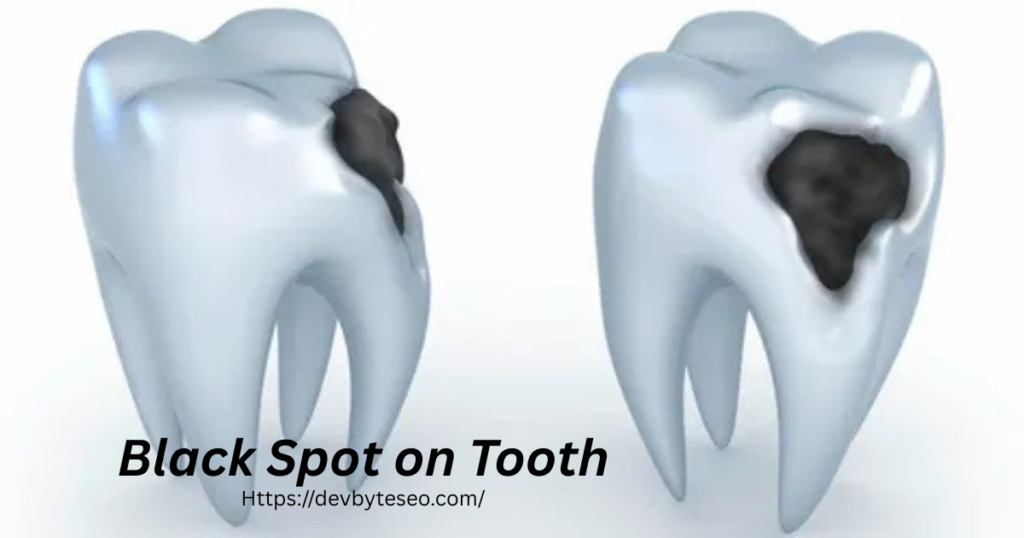
Introduction to Black Spot on Tooth
Have you ever caught a glimpse of your smile in the mirror and noticed an unsettling black spot on one of your teeth? If so, you’re not alone. Many people experience this issue at some point in their lives, and while it may seem alarming, understanding its causes can help put your mind at ease. Whether it’s a result of poor dental hygiene or something more serious like tooth decay, knowing how to address these black spots is crucial for maintaining a healthy smile. Join us as we explore everything you need to know about those pesky black spots on teeth what they are, what causes them, effective treatments available, and tips on preventing them from appearing in the first place!
Causes of Black Spot on Tooth
Black spots on teeth can be an alarming sight. Understanding their causes is essential for effective prevention and treatment.
Poor dental hygiene often leads to the buildup of plaque and tartar, which can result in discoloration. Neglecting regular brushing and flossing creates an environment ripe for stains.
Excessive consumption of dark-colored foods and drinks, like coffee or red wine, contributes significantly to tooth discoloration. These substances can penetrate enamel over time, leaving behind unsightly marks.
Smoking or tobacco use also plays a major role. The nicotine and tar in these products stain teeth severely, creating stubborn Black Spot on Tooth that are hard to remove.
Additionally, tooth decay manifests as dark patches on your teeth due to cavities forming beneath the surface. This not only affects appearance but signals underlying health issues that need addressing.
Certain medications or medical conditions may lead to changes in tooth color as well. It’s vital to consult with a dentist if you suspect this might be the case.
Poor dental hygiene
Poor dental hygiene is a primary culprit behind the appearance of Black Spot on Tooth. When brushing and flossing are neglected, plaque builds up. This sticky film harbors bacteria that produce acids. These acids can erode tooth enamel, leading to discoloration.
Skipped dental check-ups only worsen the situation. Regular visits help identify issues early. Without professional cleaning, stains become more pronounced over time.
A lack of proper oral care allows food particles to linger in the mouth longer than they should. Certain foods contribute to staining when not removed promptly.
Establishing a routine that includes consistent brushing and flossing is vital for maintaining white smiles. Investing just a few minutes daily can save you from more extensive treatments later on.
It’s simple: neglect leads to problems, while diligent care promotes healthy teeth and gums without unsightly spots.
Excessive consumption of dark-colored foods and drinks
Dark-colored foods and drinks can be delightful, but they often leave their mark on your teeth. Items like coffee, red wine, tea, and certain berries are notorious for staining enamel over time. Each sip or bite may enhance the flavor experience while subtly contributing to black spots.
The pigments in these foods attach to tooth surfaces. When oral hygiene practices fall short, these stains become more pronounced.
Moreover, acidic beverages can erode enamel further, making it easier for stains to settle in. This combination creates a perfect storm for discoloration.
If you enjoy dark treats regularly, moderation is key. Pairing them with water can help rinse away residue immediately after consumption. Simple adjustments might make a significant difference in maintaining that bright smile you cherish!
Smoking or tobacco use

Smoking or using tobacco products can significantly affect your dental health. One of the most visible effects is the appearance of Black Spot on Tooth. Tar and nicotine present in tobacco stain tooth enamel, leading to discoloration.
These substances create an environment that fosters plaque buildup. Plaque can harden into tartar if not removed, contributing further to dark stains and potential cavities.
Moreover, smoking weakens gum tissue, making it more susceptible to infection and decay. This increases the risk of developing other dental issues alongside those pesky black spots.
If you notice dark patches on your teeth and are a smoker, it might be time to reevaluate your habits for both oral health and overall wellbeing. Quitting not only brightens your smile but also enhances long-term dental health.
Tooth decay or cavities
Tooth decay is one of the leading causes behind black spots on teeth. It occurs when harmful bacteria in your mouth produce acids that erode tooth enamel. This process can lead to cavities, which often present as dark spots or holes.
As decay progresses, it may create visible discoloration on the surface of your teeth. These Black Spot on Tooth indicate that damage has occurred and should not be ignored. The sooner you address them, the better chance you have at restoring your dental health.
Poor dietary choices play a significant role in this issue. Sugary snacks and drinks fuel bacteria growth, increasing the risk of cavities. Regular dental check-ups can catch early signs before they escalate into noticeable blemishes.
If left untreated, tooth decay can lead to pain and more severe oral health issues down the line, making proactive care essential for maintaining a bright smile.
Medications and medical conditions
Certain medications can lead to discoloration of teeth, causing black spots. Tetracycline and other antibiotics are well-known culprits, particularly when taken during childhood while the teeth are still developing.
Additionally, some medical conditions can contribute to this issue. Conditions like diabetes or iron overload may affect oral health in unexpected ways. These health challenges can result in changes to tooth enamel and increase vulnerability to staining.
Moreover, acid reflux is another condition that might play a role. The stomach acids can erode enamel over time, making it easier for stains to take hold.
It’s crucial to discuss any concerns with your healthcare provider if you notice dark spots on your teeth associated with medication or existing health issues. Awareness allows for proactive measures and better management of dental aesthetics.
Symptoms and warning signs to look out for
Black spots on teeth can often go unnoticed until they manifest symptoms. It’s important to be aware of these warning signs.
Discoloration is the most obvious symptom. A noticeable dark spot may appear on the surface of your tooth. This change in color might range from a faint shadow to a deep black.
Sensitivity is another indicator that shouldn’t be ignored. If you experience discomfort when consuming hot or cold foods and drinks, this could signal underlying issues.
Bad breath can also accompany black spots, particularly if decay is present. An unpleasant odor may indicate bacteria buildup around affected areas.
Lastly, pay attention to any pain or tenderness in your gums near discolored teeth. This could suggest gum disease or infection requiring prompt attention from a dental professional. Ignoring these signs can lead to more severe dental problems down the road.
Treatment options for black spots on teeth
Treatment options for black spots on teeth vary depending on the underlying cause. Professional teeth whitening procedures can effectively lighten discoloration, giving you a brighter smile.
For those looking for at-home remedies, baking soda mixed with water can work wonders. This simple paste helps to gently scrub away surface stains without damaging enamel.
If decay is the culprit, fillings or bonding may be necessary. A dentist will remove affected areas and restore the tooth’s structure using composite materials that match your natural enamel.
In cases of severe staining or structural damage, dental veneers or crowns might be recommended. These solutions provide not just aesthetic improvement but also added protection for fragile teeth.
Consulting with a dental professional is crucial in determining the most suitable treatment tailored to your specific needs.
Professional teeth whitening procedures
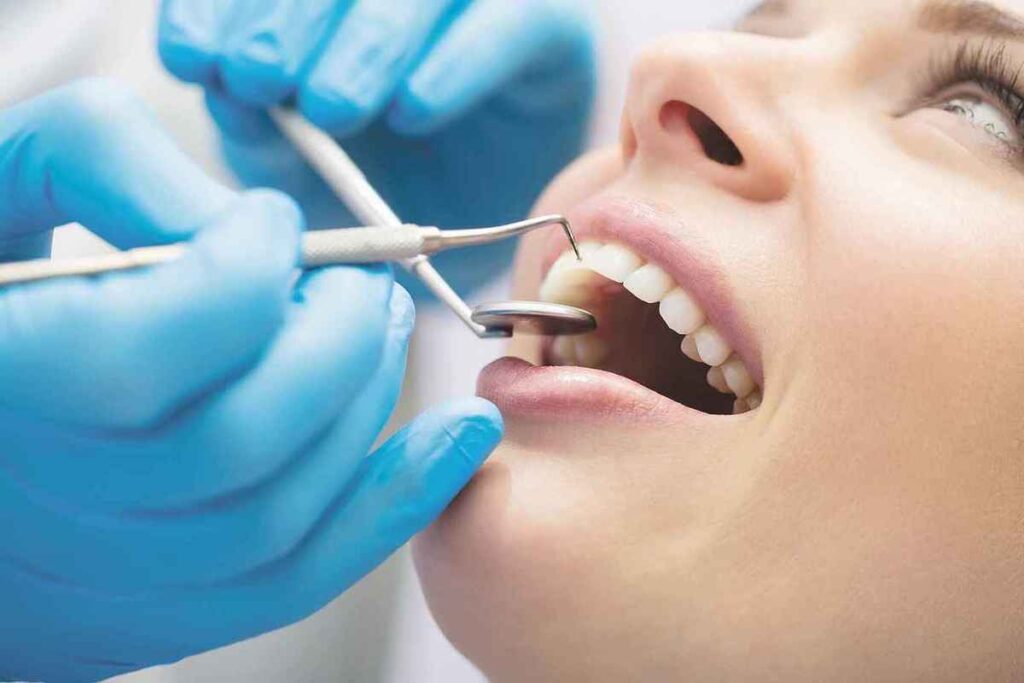
Professional teeth whitening procedures are a popular choice for those looking to eliminate black spots on their teeth. Dentists use advanced techniques and high-quality products that deliver more effective results than over-the-counter options.
During the treatment, a protective barrier is often applied to your gums to ensure safety. The dentist then applies a potent whitening agent directly onto the tooth surface. This process targets deep stains, lifting discoloration effectively.
Some methods may use special lights or lasers to enhance the bleaching effects. These treatments can significantly brighten your smile in just one session.
It’s essential to discuss your dental history with your dentist before proceeding. They will tailor the procedure based on your unique needs, ensuring optimal outcomes while minimizing potential sensitivity issues afterward. Regular check-ups following treatment can help maintain that bright smile longer.
At-home remedies and DIY solutions
At-home remedies for Black Spot on Tooth can be a great first step before seeking professional help. One popular solution is baking soda mixed with water to create a gentle paste. This mild abrasive can help lift stains and whiten your smile.
Another option is hydrogen peroxide, known for its bleaching properties. Diluting it with water and using it as a mouth rinse may reduce discoloration over time. Just remember to use this sparingly to avoid sensitivity.
Activated charcoal has gained attention lately too. Swishing or brushing with activated charcoal powder claims to absorb impurities and remove surface stains naturally.
Coconut oil pulling is another natural method worth trying. Swirling coconut oil in your mouth for about 15 minutes may promote oral health while helping tackle those pesky spots.
Though these DIY solutions might not work miracles overnight, they could assist in maintaining brighter teeth when combined with good dental hygiene practices.
Filling or bonding the affected tooth
Filling or bonding the affected tooth is a common solution for addressing black spots. This method targets areas where decay has occurred, restoring both function and aesthetics.
During the procedure, your dentist will remove any decayed material from the tooth. Next, they apply a composite resin that matches your natural tooth color. This seamless blend ensures that the repair remains discreet.
Bonding not only improves appearance but also strengthens the structure of your tooth. It offers an effective way to prevent further damage by sealing vulnerable areas.
The process is usually quick and minimally invasive, making it accessible for many patients. After treatment, you’ll likely leave with enhanced confidence in your smile. Regular follow-ups can help maintain those results over time.
Dental veneers or crowns for severe cases
For severe cases of Black Spot on Tooth, dental veneers or crowns can be a game changer. These options not only enhance the appearance but also protect the underlying tooth structure.
Veneers are thin shells made from porcelain or composite resin. They cover the front surface of your teeth, effectively masking any discoloration or damage. This solution is particularly popular for those looking to achieve a flawless smile without extensive treatment.
Crowns, on the other hand, encase an entire tooth. This option provides strength and durability while restoring its shape and function. Crowns are ideal when there’s significant decay or structural compromise due to black spots.
Both treatments require professional evaluation and placement by a dentist. The results can be transformative, making it easier for individuals to feel confident about their smiles again.
Preventing Black Spot on Tooth
Preventing Black Spot on Tooth starts with good oral hygiene. Brush twice a day using fluoride toothpaste. Don’t forget to floss daily, as it removes food particles and plaque from between your teeth.
Limiting the intake of staining foods and drinks is essential. Coffee, red wine, and berries can leave their mark if consumed excessively. Rinse your mouth or brush your teeth after enjoying these items.
Quitting smoking or using tobacco products significantly reduces the risk of dark stains forming on your teeth. These substances contribute not only to discoloration but also to more serious dental issues.
Regular dental check-ups are crucial too. Professional cleanings help eliminate surface stains before they become permanent. Your dentist can provide tailored advice based on your specific needs for maintaining that bright smile you desire.
Maintaining good oral hygiene habits
Good oral hygiene is the foundation of a healthy smile. Brushing your teeth at least twice a day is essential. Use fluoride toothpaste to strengthen enamel and combat decay.
Don’t forget about flossing! This simple step removes food particles and plaque from between your teeth, areas that toothbrushes often miss. Aim for once daily, ideally before bedtime.
Regular dental check-ups should be part of your routine as well. Your dentist can spot potential issues early on, sometimes even before they become visible black spots.
Consider using an antibacterial mouthwash too. It helps reduce bacteria in the mouth and freshens breath simultaneously.
Finally, make sure to replace your toothbrush every three months or sooner if the bristles start to fray. A clean toothbrush means more effective cleaning each time you brush!
Limiting consumption of staining foods and drinks
Limiting staining foods and drinks is essential for maintaining a bright smile. Beverages like coffee, tea, and red wine can leave unsightly marks on your teeth over time. While enjoyable in moderation, frequent consumption can lead to those pesky black spots.
Fruits like berries are delicious but can also contribute to discoloration. Dark sauces, such as soy or balsamic vinegar, add flavor but may stain enamel if not cleaned promptly.
When indulging in these items, consider rinsing your mouth with water afterward. This simple step helps wash away lingering residue that could cause stains.
Using a straw when drinking dark beverages minimizes contact with your teeth. It’s an easy trick that many find helpful.
By being mindful of what you consume, you’re taking proactive steps toward keeping your smile healthy and vibrant!
Quitting smoking or Tobacco
Quitting smoking or tobacco use is a crucial step in preventing Black Spot on Tooth. Tobacco products not only stain teeth but also contribute to various dental problems, including gum disease and tooth decay. If you’re struggling with quitting, seek support from friends, family, or professionals.
By adopting a proactive approach to your oral health, you can significantly reduce the risk of developing unsightly Black Spot on Tooth. Regular dental checkups are essential for early detection and treatment of any issues. Remember that small changes in daily habits can lead to lasting improvements in both appearance and overall health.
Taking care of your smile should be a priority. By implementing good hygiene practices and being mindful of dietary choices, you’ll enjoy brighter teeth and better oral well-being for years to come.
Conculsion
A Black Spot on Tooth can be indicative of a variety of underlying issues and should not be ignored. It is important to visit a dentist for proper diagnosis and treatment as soon as possible.
Based on the causes discussed in this article, it is clear that maintaining good oral hygiene is crucial in preventing Black Spot on Tooth. This includes brushing twice a day, flossing daily, and using an antibacterial mouthwash. Regular dental check-ups and cleanings can also help detect any early signs of decay or damage.
If the cause of the black spot is determined to be due to poor dietary habits such as excessive intake of sugary foods and drinks, cutting back on these items can aid in prevention. Additionally, quitting smoking or using tobacco products can also contribute to better oral health.
In cases where genetics play a role in the formation of Black Spot on Tooth, it is important to seek guidance from your dentist. They may recommend certain treatments such as dental sealants or fluoride treatments to protect your teeth from developing further dark spots.
It should also be noted that addressing any existing tooth decay promptly can prevent the spread of bacteria and damage to other areas of the tooth. Ignoring decayed teeth not only leads to further discoloration but also puts one at risk for more serious consequences such as infection and tooth loss.
Being mindful of any changes or symptoms related to your oral health is essential in catching potential problems early on. If you notice any new dark spots on your teeth or experience pain or sensitivity when consuming hot or cold foods/drinks, make sure to schedule an appointment with your dentist right away.
Taking proactive measures towards good oral hygiene practices along with regular dental check-ups are key components in avoiding unsightly Black Spot on Tooth. Remember: prevention is always better than cure when it comes to maintaining a healthy smile.