
Introduction to Japanese Work Culture
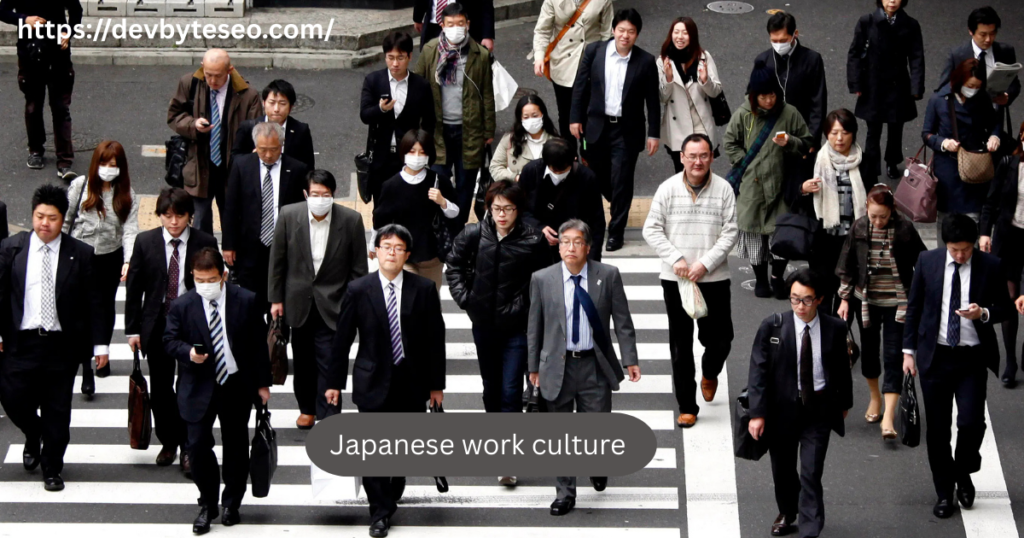
Japanese work culture has captivated the world with its unique blend of tradition and innovation. At the heart of this fascinating culture lies a powerful principle: harmony. In Japan, the workplace is not just about tasks and deadlines; it’s about building relationships, fostering collaboration, and creating an environment where everyone feels valued.
As businesses globally seek to enhance productivity and employee satisfaction, there’s much to learn from Japanese practices. The emphasis on group harmony shapes how teams operate, influences decision-making processes, and cultivates a sense of belonging among employees.
In this blog post, we will delve into five secrets that define Japanese work culture secrets that can transform your own workplace into a more harmonious space for creativity and growth. Whether you’re leading a small team or managing a large corporation, embracing these principles could be the key to unlocking new levels of success.
The Importance of Harmony in the Workplace
Harmony in the workplace serves as a foundation for productivity and morale. In Japanese work culture, this concept is deeply ingrained. It encourages collaboration rather than competition.
When employees feel at peace with their colleagues, communication flows more freely. Ideas are shared openly, fostering creativity and innovation. This cooperative spirit leads to efficient problem-solving.
Moreover, harmony reduces stress levels among team members. A supportive environment allows individuals to thrive without fear of conflict or judgment. Employees become more engaged when they know their contributions matter within a unified group.
Japanese companies often prioritize consensus-building over quick decision-making. This approach ensures everyone feels valued and respected, enhancing overall job satisfaction.
Embracing harmony can transform workplaces into spaces where individuals not only coexist but flourish together. The benefits extend beyond mere productivity; they nurture a sense of belonging that motivates employees every day.
Respect and Hierarchy in Japanese Work Culture

Respect and hierarchy are cornerstones of Japanese work culture. The intricate balance between these elements shapes everyday interactions in the workplace.
In Japan, seniority often dictates roles and responsibilities. Employees look up to their superiors for guidance, valuing experience over individualism. This framework fosters loyalty and long-term relationships among colleagues.
Language also reflects this respect. Honorifics are commonly used when addressing someone of higher status, creating a sense of professionalism that permeates every conversation.
Group harmony is prioritized over personal ambition. A harmonious environment encourages collaboration rather than competition, leading to innovative solutions produced by collective efforts.
Understanding this structure can be pivotal for anyone engaging with Japanese companies or professionals. Adapting to such a system requires patience and openness but can lead to meaningful connections within diverse teams.
Work-Life Balance and Employee Well-being
In Japanese work culture, the concept of balance plays a critical role in fostering employee well-being. Companies recognize that happy employees are more productive and engaged. This understanding leads to practices promoting mental health alongside professional duties.
Flexible working hours are becoming more common. They allow individuals to manage personal responsibilities while meeting workplace demands. Such arrangements enhance satisfaction and reduce stress levels among team members.
Additionally, companies often encourage regular breaks throughout the day. These pauses provide much-needed time for reflection or relaxation, contributing positively to overall morale.
Moreover, many organizations embrace group activities outside of work. Team-building events foster stronger bonds and create a sense of belonging among colleagues. This camaraderie nurtures an environment where everyone feels valued.
Prioritizing work-life balance not only benefits employees but also bolsters organizational success in Japan’s competitive landscape.
Innovation and Long-Term Thinking in Japanese Companies
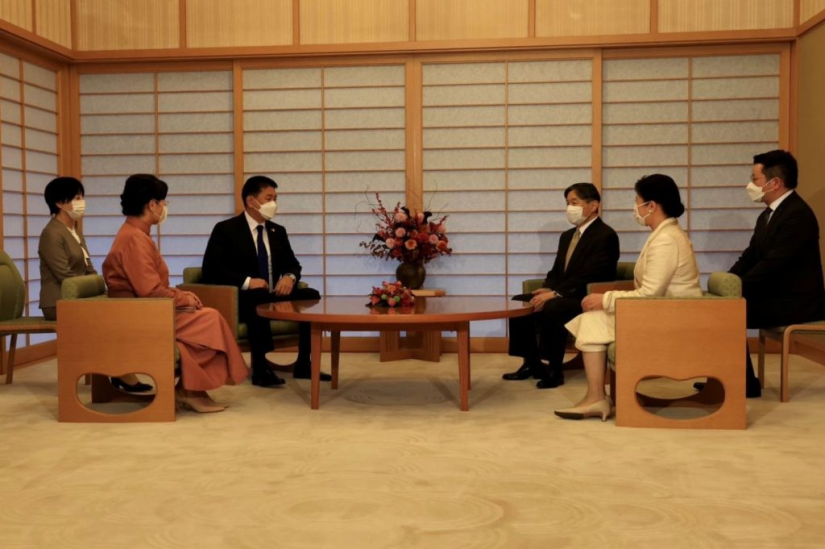
Japanese companies are renowned for their commitment to innovation. This isn’t just about having cutting-edge technology; it’s about fostering a culture that values creativity and forward-thinking. Employees are encouraged to think outside the box, pushing boundaries while staying true to traditional values.
Long-term thinking is another cornerstone of Japanese work culture. Many businesses prioritize sustainability over quick profits. They invest in research and development with an eye toward future challenges and opportunities.
This mindset cultivates resilience in the face of change. Companies like Toyota exemplify this approach, constantly refining processes through Kaizen—continuous improvement.
In such environments, employees feel empowered to contribute ideas without fear of failure. This builds trust within teams and enhances collaboration, ultimately driving progress that benefits everyone involved.
How to Incorporate Japanese Work Culture Principles into Your Own Workplace
To embrace Japanese work culture in your organization, start by promoting group harmony. Encourage collaboration and teamwork through regular brainstorming sessions where every voice is valued. This fosters a sense of belonging.
Next, introduce respect for hierarchy but balance it with open communication. Create channels where employees feel safe to share ideas without fear of undermining authority. This builds trust and mutual respect.
Work-life balance is essential too. Consider flexible working hours or telecommuting options to support employee well-being. A relaxed workforce tends to be more productive.
Instill long-term thinking into your business strategy. Focus on sustainable practices rather than short-term gains. This mindset encourages innovation while driving growth over time.
By weaving these principles into daily operations, you can cultivate an environment that mirrors the strengths of Japanese work culture while enhancing productivity and satisfaction among your team members.
Unlocking Capital: Essential Fundraising Strategies for Startup Success
Conclusion: Embracing the Power of Harmony for a More Productive and Fulfilling Work Environment
Embracing the principles of Japanese work culture can lead to significant improvements in workplace dynamics and employee satisfaction. The emphasis on harmony fosters a sense of belonging and teamwork, allowing individuals to feel valued as part of a group. When respect and hierarchy are woven into daily operations, it creates an environment where everyone understands their role.
Work-life balance is not just a buzzword; it’s essential for maintaining overall well-being. Organizations that prioritize this aspect often see higher productivity levels and lower burnout rates among employees. By adopting long-term thinking and fostering innovation within teams, companies can navigate challenges more effectively while remaining adaptable in changing markets.
Integrating these cultural elements might seem daunting at first, but small changes can yield powerful results. Encourage open communication, establish clear roles with mutual respect, and promote collaboration over competition.
The journey towards embracing this harmonious approach could transform your workplace into a thriving ecosystem where every member contributes to collective success. A commitment to these values ultimately leads to a more productive environment that nurtures both personal growth and professional achievement.