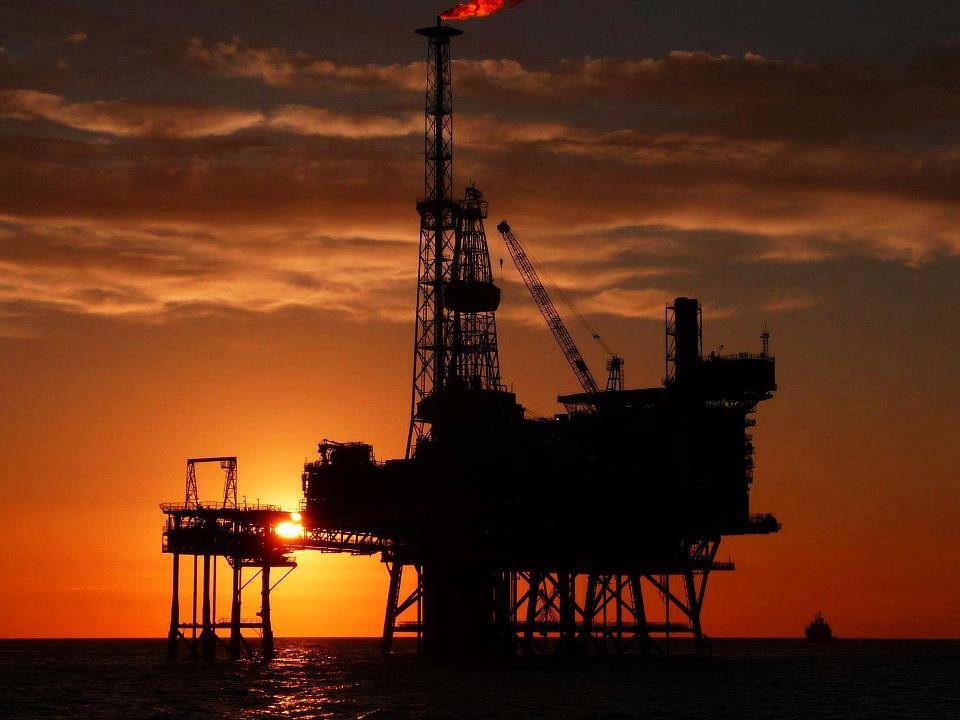
Oil Platform Jobs are among the highest-paying careers in the offshore oil and gas industry. Offshore oil platforms provide some of the most lucrative and rewarding jobs where crude oil and gas are extracted, processed, and prepared for transport.
Working on a petrol platform comes with high salaries, benefits, and career growth opportunities, but also requires technical expertise teamwork, and readiness for offshore life
Types of Roles on Oil Platforms
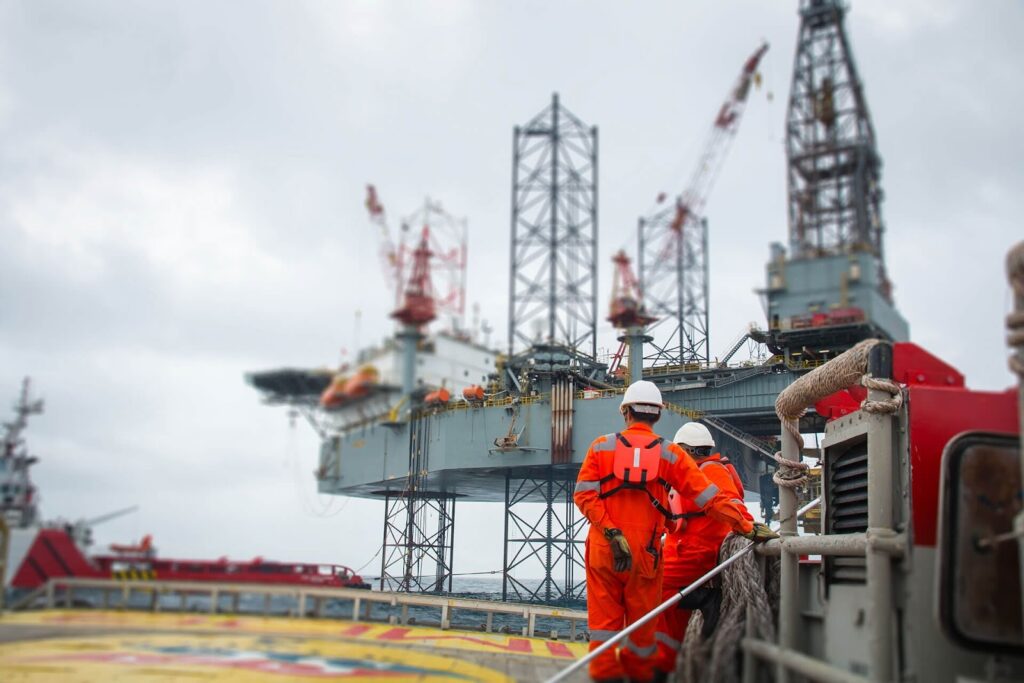
These positions include Mechanical, Electrical, Structural, and Pipeline Engineers. Engineers maintain machinery monitor systems and solve technical problems to ensure continuous operations. Offshore engineers also oversee installation, inspection, and troubleshooting of equipment.
Offshore Operations
Roles like ROV Supervisors and Subsea Coordinators manage specialized equipment such as remotely operated underwater vehicles. Warehouse operators handle materials, supplies, and logistics, ensuring that essential resources are available at all times.
Project & Support Services
Project Managers, Coordinators, and Supply Chain Specialists plan and oversee offshore projects. They manage schedules, resources, and documentation, ensuring that operations run efficiently and deadlines are met.
Health, Safety & Environment (HSE)
HSE Officers and Safety Supervisors monitor and enforce safety procedures. They conduct risk assessments, train staff, and ensure compliance with environmental and workplace regulations.
Entry-Level Offshore Jobs
Roustabouts and deckhands perform general labor, assist skilled staff, and keep the platform operational. These positions are often the starting point for a long offshore career.
Oil Platform Jobs
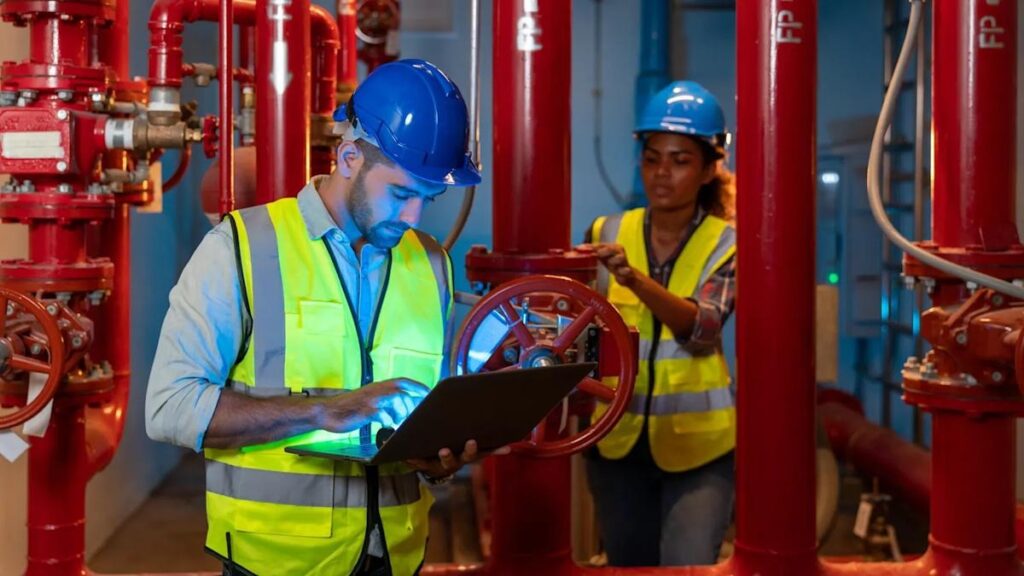
- Drilling & ROV Supervisors: Supervise drilling operations and remotely operated vehicles.
- Mechanical & Electrical Engineers: Maintain critical machinery and ensure operational efficiency.
- Project Support & Administrative Roles: Coordinators, logistics staff, and office support to ensure smooth operations.
Airswift connects candidates with international oil companies looking for skilled personnel in these roles.
Skills & Qualifications Needed
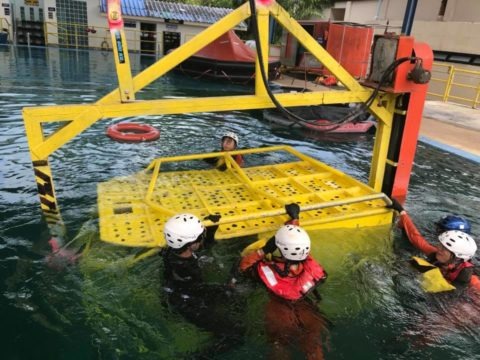
To work on oil platforms, candidates generally need:
Relevant engineering degree or technical diploma
Offshore safety certification (BOSIET or equivalent)
Physical fitness and medical clearance
Teamwork and communication skills
Willingness to work rotational shifts
Entry-level roles like roustabout require less formal education but still need offshore safety certification and readiness for offshore life.
Challenges of Working Offshore
While Oil Platform Jobs are rewarding, they also come with challenges. Workers must adapt to remote environments, long shifts, and strict safety protocols. Offshore life requires discipline, teamwork, and mental resilience.
However, for those prepared, Oil Platform Jobs provide unmatched career growth and financial stability.
How to Apply Successfully
- Create a strong CV highlighting technical skills and certifications.
- Register on Airswift’s candidate portal to receive job alerts.
- Apply to roles matching your experience and prepare for interviews and safety assessments.
- Use verified oil and gas recruitment agencies to maximize chances.
Conclusion
Oil Platform Jobs continue to grow globally due to rising energy demands. Professionals seeking Oil Platform Jobs must prepare with proper certifications and offshore training.