
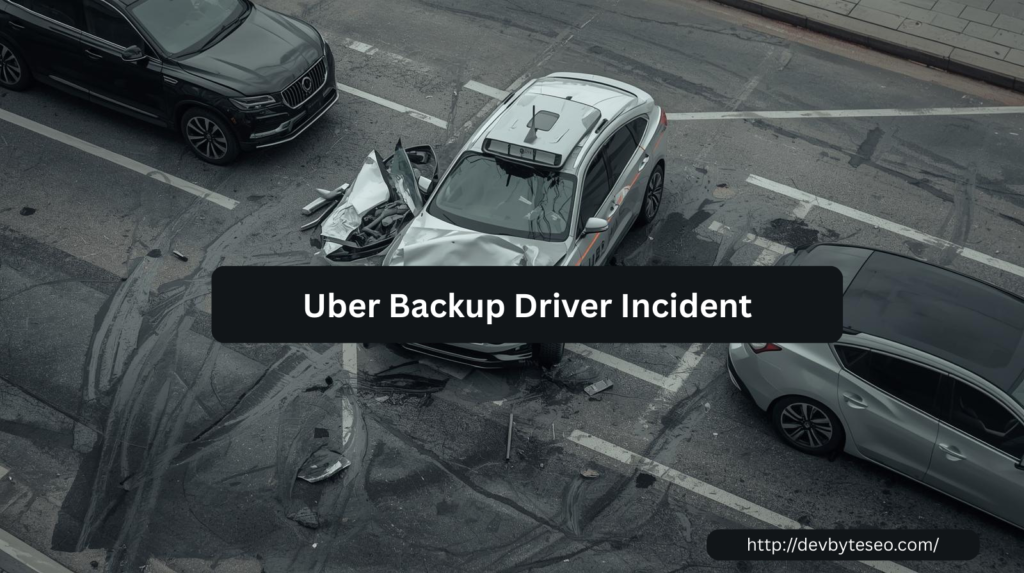
Introduction to Uber’s self-driving cars and backup drivers
Uber has been at the forefront of revolutionizing transportation with its ambitious self-driving car technology. Picture a world where you can sit back and relax while your vehicle navigates the roads on its own. Sounds exciting, right? But as this futuristic dream inches closer to reality, concerns about safety and liability come into play—especially when it comes to those backup drivers sitting behind the wheel. Recent incidents have brought these issues sharply into focus, raising important questions about who is really responsible when an accident occurs involving these autonomous vehicles. Buckle up as we dive into the complexities surrounding Uber’s self-driving cars and their human counterparts in the driver’s seat!
Recent accidents involving self-driving cars and backup drivers
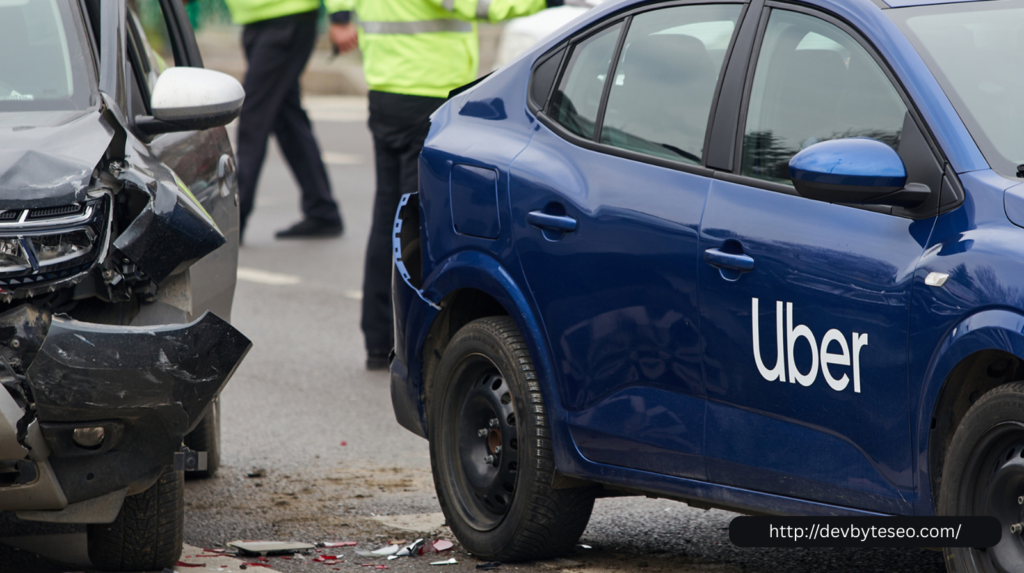
In recent months, self-driving cars have been involved in a series of high-profile accidents. While these vehicles aim to revolutionize transportation, the reality has proven more complicated.
One incident caught national attention when an Uber autonomous vehicle struck a pedestrian while the backup driver was behind the wheel. This event raised questions about how effectively human operators can intervene during critical moments.
Another case involved a collision between two self-driving cars from different companies. Despite advanced technology and numerous sensors, neither car managed to prevent a crash at an intersection. The presence of backup drivers did little to mitigate the situation.
These accidents underscore that even with sophisticated systems in place, unforeseen circumstances can lead to tragic outcomes. As public perception shifts, so too does scrutiny around responsibility and safety protocols for these innovative vehicles.
Lack of clarity on liability insurance for backup drivers
The rise of self-driving cars has brought with it a host of questions surrounding liability insurance, particularly for backup drivers. These individuals are crucial to the operation of autonomous vehicles, yet their coverage remains ambiguous.
Many people assume that Uber’s insurance policies extend protection to these drivers during an accident. However, this is not always clear-cut. The lack of defined protocols leaves both drivers and passengers in a precarious situation when incidents occur.
In many cases, backup drivers may find themselves caught between personal auto policies and the ride-sharing company’s insurance. This uncertainty can lead to disputes over who is responsible for damages or injuries incurred during an accident involving a self-driving vehicle.
As technology evolves quickly, so must the legal frameworks surrounding it. Without explicit guidelines on liability for backup drivers, ambiguity will continue to pose significant challenges in this innovative transportation landscape.
Legal challenges faced by Uber in determining fault
Uber faces significant legal challenges when it comes to determining fault in accidents involving self-driving cars and backup drivers. The intricacies of technology add layers of complexity to each incident.
When an accident occurs, it’s often unclear whether the autonomous system or the human driver is at fault. This ambiguity complicates liability claims. Legal teams must dissect data logs, video footage, and sensor readings to assess responsibility accurately.
Additionally, state laws regarding autonomous vehicles vary widely. Some regions have strict regulations while others are still catching up with technological advancements. This inconsistency can make it difficult for Uber to navigate legal landscapes effectively.
Court cases also raise questions about accountability—should Uber bear full responsibility or should the backup driver share some blame? These uncertainties create a challenging environment for both Uber and its users as they seek justice following an accident involving self-driving technology.
Steps taken by Uber to address the issue
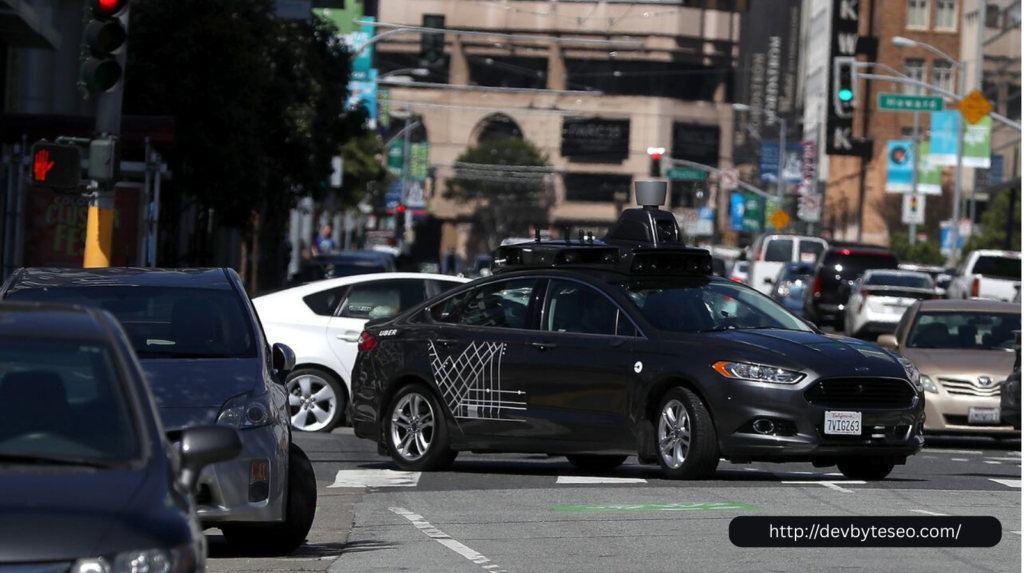
Uber has recognized the need for improved safety protocols surrounding its self-driving vehicles. The company has implemented rigorous training programs for backup drivers who monitor autonomous systems during operations.
These initiatives aim to enhance driver awareness and response times in case of emergencies. Regular assessments ensure that these backup drivers remain well-informed about the technology and potential hazards on the road.
Additionally, Uber is investing heavily in advanced sensors and artificial intelligence technology to improve vehicle decision-making capabilities. This tech aims to minimize human intervention while maximizing safety measures.
Collaborations with legal experts are also underway, focusing on clarifying liability issues related to accidents involving self-driving cars. By engaging with various stakeholders, including regulators and insurance companies, Uber seeks a more transparent framework for accountability in case of incidents.
Through these steps, Uber aims not only to bolster public trust but also to pave the way for safer autonomous travel experiences.
The role of government regulations in determining liability
Government regulations play a crucial role in shaping the landscape of self-driving technology. They establish the legal framework that dictates how these autonomous vehicles operate on public roads.
As Uber and other companies push forward, regulators are tasked with creating rules that address safety standards and liability issues. These guidelines can help clarify who is responsible in an accident involving a self-driving car and its backup driver.
Currently, many jurisdictions lack comprehensive laws specifically for autonomous vehicles. This ambiguity creates confusion regarding insurance claims and fault determination after accidents.
Some governments have begun to implement pilot programs to test regulations. These initiatives aim to gather data on self-driving cars’ performance while addressing potential legal challenges arising from their use.
By actively engaging with stakeholders, including tech firms like Uber, regulators can build frameworks that ensure accountability while fostering innovation in this rapidly evolving sector.
FAQs – Uber Self-Driving Cars, Backup Drivers, and Liability Insurance
Who is responsible if an Uber self-driving car gets into an accident?
Responsibility can be complicated. It may fall on the backup driver, Uber as the company, or sometimes both. Liability often depends on the specific circumstances, accident data, and state laws.
Are Uber backup drivers covered by insurance during autonomous vehicle accidents?
Coverage is not always clear. Uber’s policies may provide some protection, but backup drivers might also rely on personal auto insurance. Ambiguities exist, making legal disputes possible.
Do backup drivers need special training for self-driving cars?
Yes. Uber provides training programs to ensure backup drivers can monitor autonomous systems and take control safely during emergencies.
Can government regulations clarify liability for self-driving car accidents?
Absolutely. Regulations help define who is responsible—whether the manufacturer, the backup driver, or the company. Many jurisdictions are still developing clear laws for autonomous vehicles.
How does Uber use technology to reduce accidents?
Uber invests in advanced sensors, AI, and monitoring systems to improve decision-making, minimize human error, and enhance safety during autonomous operations.
Conclusion and potential solutions for improved safety and clarity in liability insurance for backup drivers
The landscape of self-driving technology is evolving rapidly, and with it comes a host of challenges. As we’ve seen, incidents involving Uber’s self-driving cars and their backup drivers raise critical questions surrounding liability insurance. The recent accidents highlight the complexities involved when a vehicle operates autonomously but still has a human driver present.
To enhance safety and clarity in this realm, several steps can be taken. First, Uber could implement more rigorous training programs for backup drivers to ensure they are well equipped to take control if needed. Additionally, clearer guidelines regarding who holds responsibility during an accident would benefit all parties involved—drivers, passengers, and the company itself.
Government regulations must also play a role in addressing these issues effectively. Policymakers need to establish specific frameworks that delineate liability in autonomous vehicle scenarios clearly. This includes defining the responsibilities of manufacturers versus those of operators behind the wheel.
Insurance companies should adapt their policies specifically tailored for situations involving self-driving vehicles with backup drivers on board. This might involve creating new coverage options or modifying existing ones to reflect unique risks associated with autonomous driving technology.
As society moves toward embracing self-driving cars like those from Uber, finding solutions that bolster safety while providing crystal-clear accountability will be crucial for public trust and further innovation in transportation technologies.